Across urban Africa — from Lagos to Accra to Douala — congested roads are choking cities and costing economies billions each year
In Lagos alone, gridlock drains the economy of nearly $9.5 billion annually. Pollution from aging combustion engines continues to rise, driving up healthcare costs and leaving millions reliant on inefficient, expensive transport systems.
MAX, founded in 2015, is racing to change that. To transform Africa’s $100 billion urban mobility market, they are betting on electric vehicles, affordable financing, and digital innovation.
Building Greener, Fairer Cities — One Ride at a Time
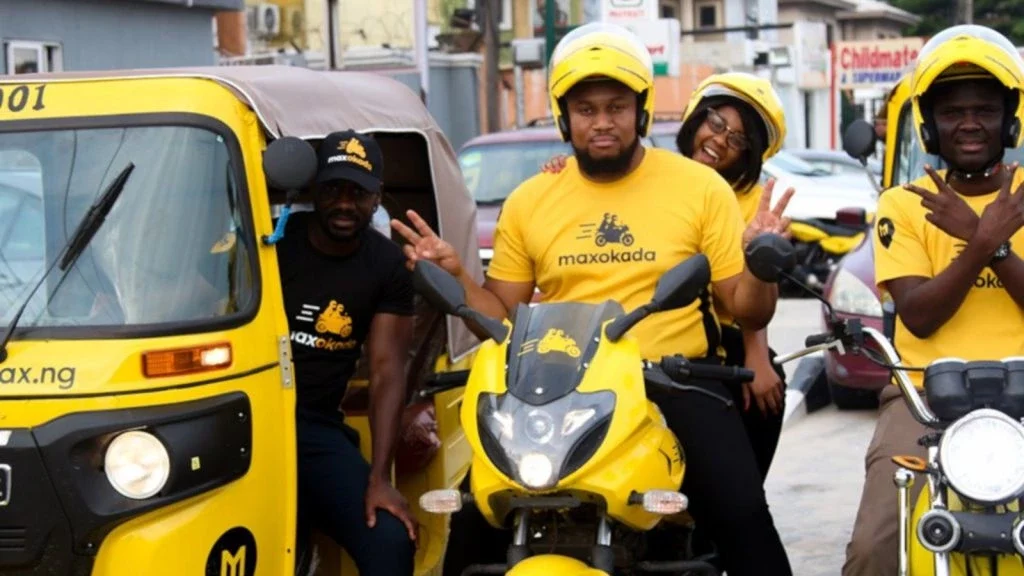
In many African cities, informal transport — especially motorcycles and tricycles — form the backbone of daily mobility. But for decades, this vital sector has operated without access to formal infrastructure, financing, or long-term growth opportunities. That’s beginning to change. MAX is electrifying these vehicles and replacing high-cost rental models with ownership pathways, enabling drivers to own their vehicles while dramatically cutting emissions. To date, MAX has helped reduce over 750,000 metric tons of CO₂.
These drivers — often young, underbanked men working in motorcycle taxis (okadas) or last-mile delivery — are now integrated into a digital platform that treats them as entrepreneurs, not just labor. On MAX, they’re called Champions a nod to the company’s goal of dignifying gig work. With financing tied to ride earnings, they’re building asset ownership and long-term economic agency.
But ownership is only the entry point. The platform also wraps over 55, 000 drivers in a full-stack system: vehicle servicing, real-time performance tracking, credit scoring, and access to insurance and licensing support. This is mobility infrastructure designed not just to move people — but to build livelihoods at scale.
Scaling Amid Tough Terrain
Despite the momentum MAX has achieved, structural challenges in Africa’s mobility sector loom large. Sparse electric vehicle charging infrastructure limits adoption; regulatory environments vary drastically across countries; and long-term, affordable financing for drivers and fleet operators remains scarce.
MAX’s strategy is built to absorb that friction. It’s expanding through localized logistics hubs, working with diverse regulatory conditions, and offering flexible vehicle access — including subscriptions, rentals, and daily installments. These models are bundled with the full-service ecosystem drivers need to operate safely and independently.
Reimagining the Future of Africa’s Cities
With $31 million from backers committed to green infrastructure, MAX is scaling its electric fleet, deepening its financial inclusion model for mobility workers, and expanding beyond Nigeria into new markets such as Ghana and Cameroon, with planned entries into Uganda and Egypt. These efforts are aimed squarely at Nigeria’s rapidly growing transport sector — projected to reach $6.76 billion by 2029 — where ride-hailing alone will serve more than 42 million users.
Urban transport in Africa is no longer just about getting from A to B — it’s becoming a catalyst for job creation, climate progress, and inclusive economic growth. The next chapter in mobility won’t be defined just by cleaner vehicles, but by whether systems like MAX can distribute value more fairly, build resilience into work, and scale without replicating old inequalities.
That’s the opportunity — and the challenge — ahead.