Deprecated: Using null as an array offset is deprecated, use an empty string instead in /home/u876752588/domains/capria.vc/public_html/wp-content/plugins/jet-engine/includes/components/blocks-views/dynamic-content/manager.php on line 113
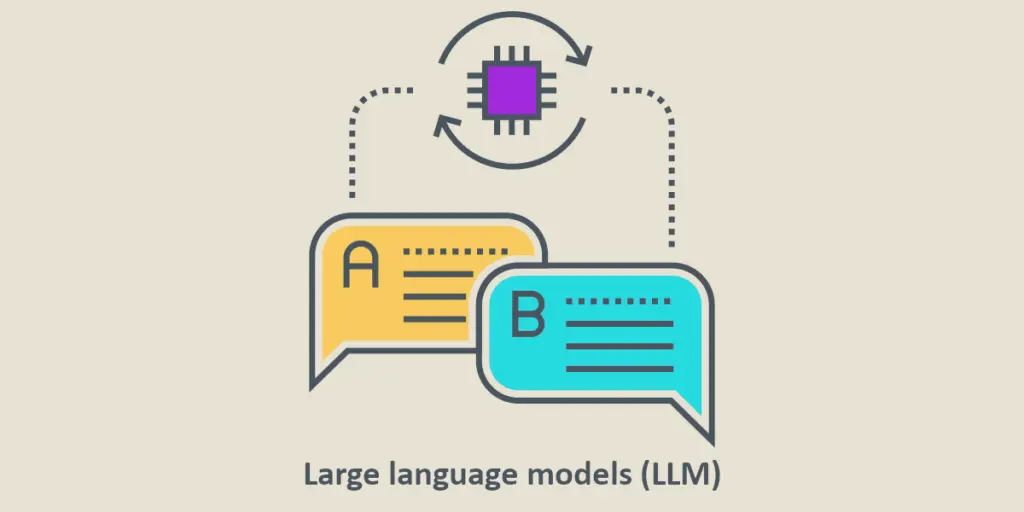
When developing applications using large language models (LLMs), developers are often faced with a critical decision: should they build their framework from scratch, use pre-built platforms, or opt for a specialized tool? This decision impacts not just the development time and resources but also the flexibility and capabilities of the final product. Here, we compare several approaches to help you make an informed choice based on your project’s specific needs.
Building From Scratch
Creating your own LLM framework provides the highest level of control and customization. This approach is suited for projects where proprietary technology and intellectual property are paramount. However, it demands a substantial investment in terms of time, technical skills, and resources. Developers can take advantage of open-source libraries, but the integration and maintenance of these components require a deep understanding of both the technology and the problem domain.
Utilizing Pre-built Platforms: OpenAI’s GPT Models
Platforms like OpenAI provide access to state-of-the-art models including GPT-3.5 Turbo and GPT-4. These models offer a straightforward, user-friendly approach to integrating LLM capabilities into applications. The advantage of using such platforms lies in their rapid deployment capabilities, which are ideal for creating proofs of concept or for developers working with limited technical resources. However, the reliance on a third-party service means less control over the model’s behavior and data handling.
Lang Chain: A Flexible Middle Ground
Lang Chain offers a versatile framework that supports integration with various LLM providers (e.g., OpenAI, Cohere, Hugging Face) and external data sources like Google Search and Wikipedia. Its standout feature is the support for prompt engineering with tools like prompt templates and output parsers, which simplify the creation of complex interactions and data transformations. Lang Chain is particularly effective for applications requiring dynamic context management throughout interactions, making it suitable for applications like educational chatbots or customer service assistants.
LlamaIndex: Advanced Data Handling and Retrieval
For applications that require sophisticated data management and retrieval capabilities, LlamaIndex is particularly well-suited. It excels in scenarios where handling complex datasets and executing advanced querying techniques are critical. LlamaIndex offers features like data connectors for integrating diverse data sources and robust indexing capabilities that enhance the efficiency of data retrieval. This makes it ideal for building applications that rely heavily on retrieval-augmented generation (RAG) techniques.
Decision Considerations
The choice between these options should be guided by several factors:
- Project Scope and Complexity: More complex projects might benefit from the robust data handling capabilities of LlamaIndex or the customizability of a from-scratch approach.
- Development Resources: Limited resources might necessitate the use of platforms like OpenAI’s GPT or Lang Chain that reduce the need for extensive backend development.
- Time to Market: Projects with tight deadlines may benefit from the rapid prototyping and deployment features offered by pre-built platforms and Lang Chain.
- Control and Customization Needs: Projects requiring deep customization and control over data and interactions might find building from scratch or using LlamaIndex more suitable.
By carefully considering these factors, developers can choose the most appropriate framework that aligns with their project’s goals, technical requirements, and resource availability, ensuring that they leverage the capabilities of LLMs most effectively.