
Deprecated: Using null as an array offset is deprecated, use an empty string instead in /home/u876752588/domains/capria.vc/public_html/wp-content/plugins/jet-engine/includes/components/blocks-views/dynamic-content/manager.php on line 113
Amplemarket is a robust sales tool designed to provide comprehensive solutions for lead generation, email sequencing, and account management. This article delves into the key features of Amplemarket, focusing on sequence testing, A/B testing, and email deliverability to help you maximize your sales efforts.
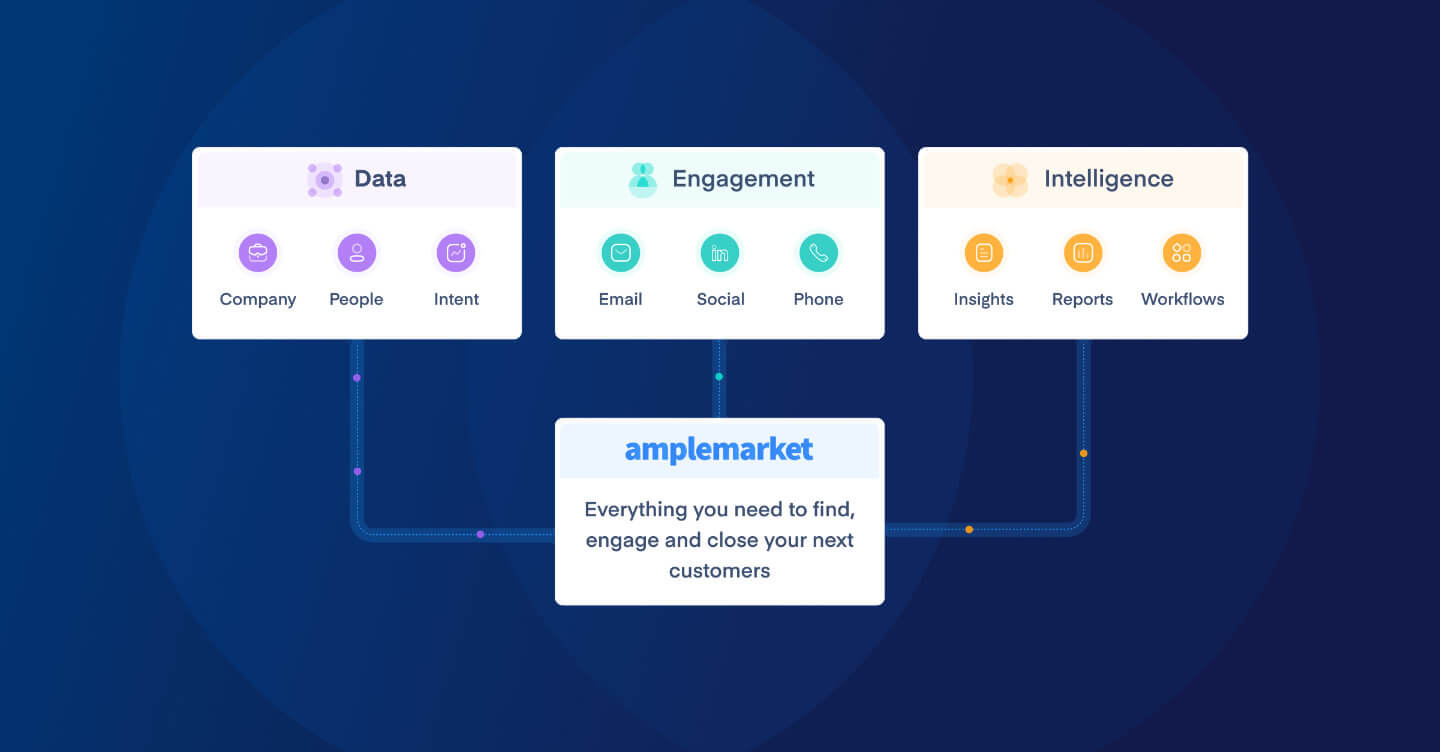
Key Features
Testing Your Sequences
One of the critical features of Amplemarket is the ability to test individual email stages within a sequence. This ensures that each email is perfect before being sent to your prospects.
Here’s how you can do it:
- Send Test Email: In the edit view of a sequence, you can find the “Send Test Email” button next to each email stage.
- Fill Dynamic Fields: Amplemarket will prompt you to fill in the necessary information for all dynamic fields included in the sequence.
- Recipient Email: Specify the email address where you want the test email to be sent.
- Receive Test Email: The test email will be sent to your inbox within minutes, allowing you to see exactly how it will appear to recipients. If it doesn’t appear in your inbox within five minutes, check your spam folder.
A/B Testing and Email Sequences
Amplemarket excels in A/B testing and managing email sequences, offering features that make it a preferred tool for many sales professionals:
- A/B Testing Best Practices: Amplemarket allows you to test different versions of your emails to determine which one performs best. This helps in refining your email strategies for better engagement and conversions.
- Fine-Tuned AI Models: Amplemarket integrates advanced AI models for email composition, enabling the creation of highly personalized and effective emails.
- LinkedIn Integration: A standout feature of Amplemarket is its capability to send LinkedIn messages (DMs) as part of your sequences. This adds a layer of engagement and increases the chances of connecting with your prospects.
Email Deliverability
To ensure maximum results from your email campaigns, Amplemarket provides a comprehensive Email Deliverability Center.
Here’s how you can optimize your setup:
- SMTP/IMAP Settings: Properly configure your SMTP/IMAP settings to enable Amplemarket’s email warmup feature.
- Domain Setup: Set up your domain and mailboxes to prevent your emails from landing in spam folders.
- Monitoring: Regularly monitor your email deliverability metrics to make necessary adjustments and maintain high deliverability rates.
Integrations
Amplemarket integrates seamlessly with various CRM and third-party platforms, enhancing its functionality and providing a unified experience.
- CRM Integration: Sync your CRM data with Amplemarket to streamline your lead management and outreach efforts.
- LinkedIn Extension: Use Amplemarket’s LinkedIn extension to automate tasks and engage with prospects directly on LinkedIn.
- Zapier Integration: Automate data enrichment and other workflows using Amplemarket’s API through Zapier.
Pros
- Comprehensive Sequence Testing: The ability to test individual email stages ensures high-quality, effective emails.
- Advanced A/B Testing: Helps refine email strategies and improve engagement through systematic testing.
- AI Integration: Fine-tuned AI models enhance email personalization and effectiveness.
- LinkedIn Messaging: The ability to send LinkedIn DMs as part of sequences increases engagement opportunities.
- Robust Integrations: Seamless integration with major CRM and third-party platforms ensures a unified workflow.
Cons
- Complex Setup: Initial configuration and setup of the platform can be time-consuming.
- Learning Curve: Users might need time to fully understand and utilize all features effectively.
- Cost: Advanced features and integrations may come at a higher cost, potentially limiting accessibility for smaller businesses.
- Dependence on Data Quality: The effectiveness of the tool heavily relies on the accuracy and quality of the integrated data.