
Deprecated: Using null as an array offset is deprecated, use an empty string instead in /home/u876752588/domains/capria.vc/public_html/wp-content/plugins/jet-engine/includes/components/blocks-views/dynamic-content/manager.php on line 113
What’s the Issue?
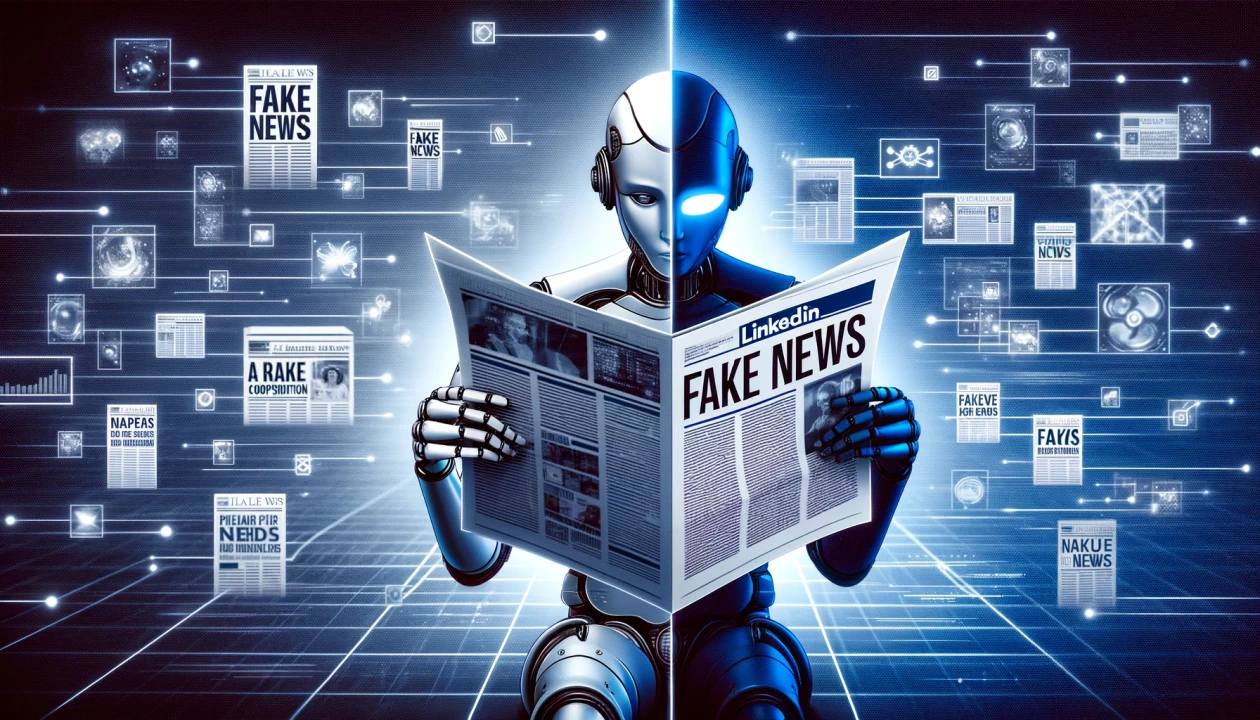
AI-generated content, like deepfake videos and AI-written articles, is making it easier to spread false information online. This kind of content, known as disinformation, is increasingly used to deceive people and cause confusion. From fake political messages to manipulated images and videos, the issue is becoming a major global concern. According to surveys, 85% of people worry about disinformation, and it’s now recognized as a top risk to society.
Why Is This Happening?
AI tools are now widely accessible, making it easier and cheaper to create convincing fake content. Social media platforms often amplify this disinformation, and some even reward users who post viral content — even if it’s false. For example, deepfake videos have been used to mislead voters and spread harmful conspiracy theories.
How Can We Fight Disinformation with AI?
While AI can be used to spread false information, it can also help identify and counter it. Most social media companies use AI to automatically check and moderate content. Here’s how it works:
- Content Moderation: AI scans posts, images, and videos to detect harmful or misleading content. When something suspicious is found, it’s flagged for review by human moderators.
- Warning Labels: In some cases, AI tools add warning labels to posts that might be misleading, helping users make more informed decisions before sharing.
However, these tools aren’t perfect. They sometimes make mistakes, like flagging historical posts or blocking legitimate news. But with ongoing improvements, AI could become better at filtering out disinformation.
Why Is Self-Regulation Not Enough?
Social media companies like Meta (Facebook) have set up groups like the Oversight Board to help manage content issues. This board reviews decisions made by Meta’s AI moderation tools and suggests changes. However, critics argue that self-regulation has limits:
- Limited Power: The Oversight Board can only make recommendations, and it’s up to Meta whether or not to follow them.
- Conflicts of Interest: Since the board’s funding comes from Meta, it may not always be fully independent.
What Could Make a Real Difference?
Experts believe that instead of relying on companies to police themselves, stricter government regulations are needed. Here are some ideas being discussed:
- Product Liability Laws: Holding platforms legally responsible if their AI tools spread harmful disinformation.
- Watermarking AI Content: Adding digital marks to AI-generated images and videos to make it clear that they are artificial.
- Stricter Payment Controls: Preventing payment providers from processing transactions related to harmful disinformation, especially in cases like nonconsensual deepfake imagery.
Current Challenges and Hope for the Future
Efforts to regulate AI and disinformation have faced legal challenges, like a recent court ruling blocking a law in California aimed at tackling deepfakes. Despite setbacks, there are promising steps forward. Companies like OpenAI are starting to watermark AI-generated content, and new laws, like the Online Safety Act in the U.K., aim to hold tech platforms accountable.
While the fight against AI-generated disinformation is complex, a mix of better AI tools, stricter regulations, and user awareness can help tackle the problem. By working together, tech companies, governments, and the public can help reduce the spread of harmful false information online.